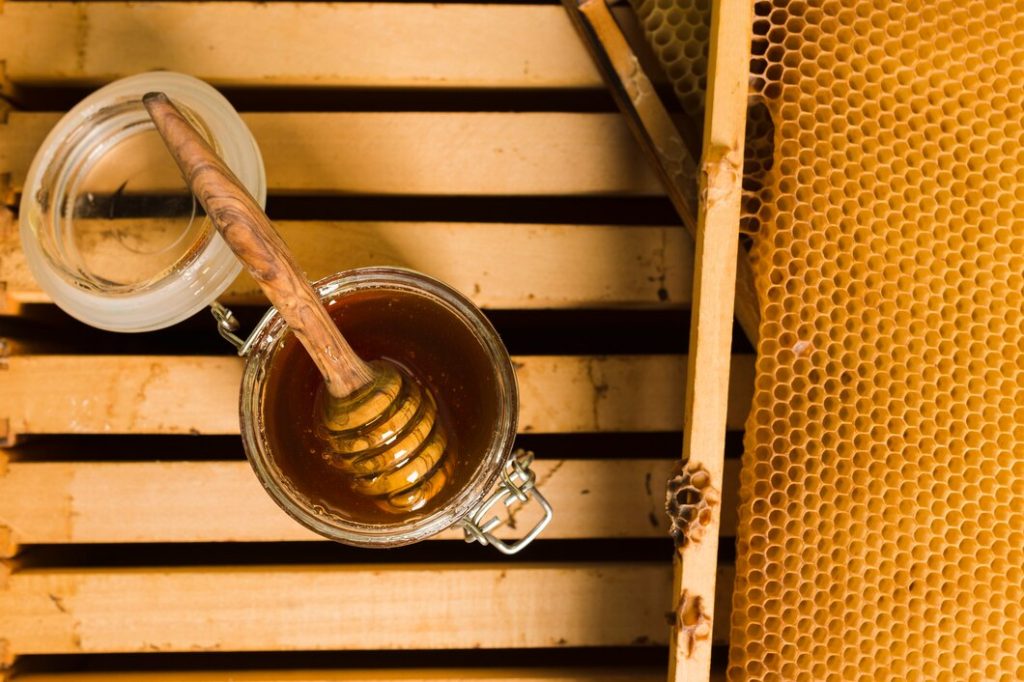
Honey is one of the most natural and oldest foods known to man, and this high value has made its preservation very important. Many people think that honey is an incorruptible substance and does not need to be cared for, but the reality is that if honey is not kept in the right conditions, it may lose its quality, flavor, color, and even medicinal properties. For this reason, familiarity with the principles of proper preservation is the best way to preserve the nutritional value of this valuable substance. When we talk about preserving honey, the point is not only to prevent spoilage, but also to ensure that this natural substance is produced in the best possible condition and as close to its original form as possible so that the consumer can benefit from it the most.
Throughout history, mankind has always referred to honey as a healing food. The Greeks considered it the food of the gods, the Iranians used it in traditional medicine to treat many diseases, and ancient civilizations even used honey to preserve corpses. This age has led many to believe that honey never spoils. Scientifically, this belief is not completely unfounded, because the chemical structure of honey is such that it can be resistant to many factors of corruption. But this resistance remains stable only if the honey is placed in the right environment.
Honey Structure
The structure of honey includes a very high concentration of sugar, very low humidity, an acidic environment, and the presence of antibacterial substances. These factors prevent the growth of microbes, but if this balance is disturbed, honey may ferment, change flavor, darken, or become undesirable. For example, if honey is exposed to high humidity, its water content increases, which provides the environment for yeast growth. Also, if honey is exposed to direct sunlight or high heat, its enzymes and beneficial compounds decompose and the nutritional value of the product decreases.
The right container
One of the important points in storing honey is choosing the right container. The best containers for storing honey are glass, glazed ceramic, or stainless steel. Plastic containers, especially if they are of poor quality, may release their chemicals into the honey and reduce the quality of the product. Also, ordinary metal containers are reactive and can react with the natural acids in the honey and change the taste or color of the product. The container for storing honey must be tightly closed to prevent moisture and air from entering. Air entry causes moisture to be absorbed, and as mentioned, moisture is the main enemy of honey.
Ambient temperature
In addition to the container, the ambient temperature also plays a key role in storing honey. The best temperature for storing honey is between 10 and 20 degrees Celsius. This temperature helps to keep the main components of honey stable and its taste and quality do not change. It is wrong to place honey next to the stove, on top of the refrigerator, or near heating devices. It is also not recommended to store honey in the refrigerator, because it accelerates sugaring. Sugaring is natural, but cold conditions make it much faster. Storing honey at room temperature is more suitable, of course, provided that the environment is dry and away from direct light.
Sweetening
The issue of sweetening is questionable for many people. Many people think that sweetening means that the honey is adulterated, while this belief is completely wrong. Natural honey may sweeten over time and depending on the type of flower, the amount of fructose and glucose, the temperature and the environmental conditions. This process is completely natural and even a sign that the honey is raw. However, if someone wants to return honey to its original liquid state, they must be very careful so that high heat does not destroy its properties. The best method is to place the honey container in a container of warm water at 40 degrees and heat it slowly until the crystals dissolve. Using a microwave or direct heat destroys enzymes and beneficial substances.
Honey absorbs odors
It should not be forgotten that honey absorbs odors. For this reason, storing honey next to odorous foods such as onions, garlic, pickles or aromatic foods may affect its taste and smell. The honey container should be placed in a place where there is no particular smell in the environment. Also, constantly opening and closing the container lid can cause steam and moisture to enter, so it is better to store a small amount of honey for daily consumption in a separate container and keep the rest in the main container closed.
Storing honey from light
Another important issue is storing honey from light. Direct sunlight causes the decomposition of antioxidants and enzymes in honey. These compounds play a fundamental role in the antibacterial and anti-inflammatory properties of honey, and reducing them means reducing the quality of the product. Therefore, the honey container should be placed in a cabinet or a dark and cool environment. Even if it is a glass container, as long as it is stored in a dark environment, it will not cause a problem.
Introduction of impurities
One of the lesser-known dangers to honey is the introduction of impurities or contaminated tools into the container. Using a spoon that is wet or dipped in tea, lemon juice, or other foods can introduce moisture or other substances into the container and change the composition of the honey. It is best to always use a dry, clean spoon, preferably wooden or steel.
If someone intends to store honey for a long time, they should note that long-term storage in plastic containers is not recommended. Even if the plastic container is of high quality, it is better to transfer raw honey to a glass container. In stores, honey is usually sold in lighter containers for transportation, but for home storage, the best option is glass.
Conclusion
Knowing all these points, we can say that
Popular post

دسته بندی ها